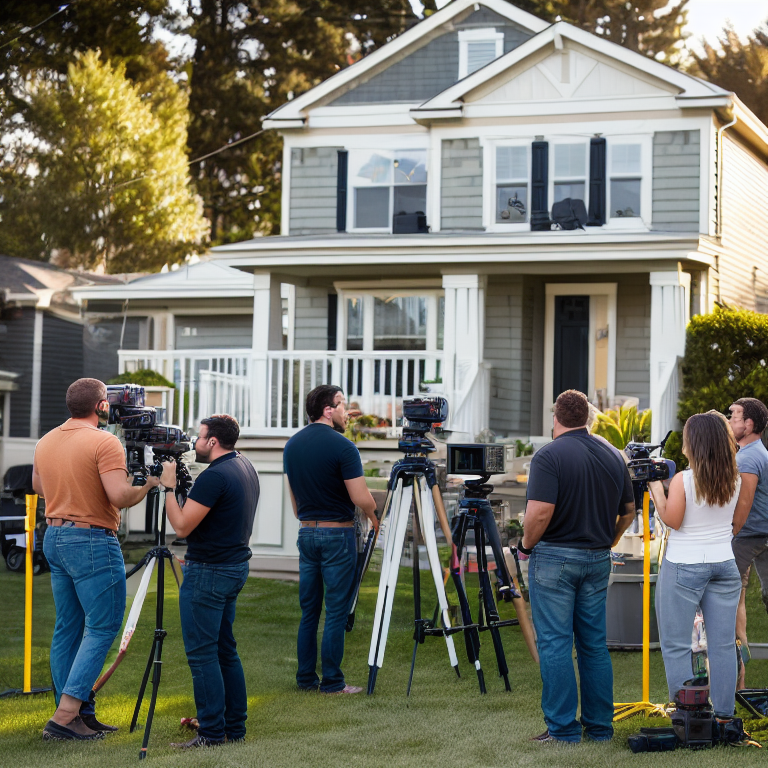
Ever wondered what really happens when the cameras stop rolling on your favorite reality shows? The drama, the tears, the shocking reveals—it all looks so effortless on screen. But behind those perfectly edited episodes lies an intricate world of planning, manipulation, and pure chaos. Reality TV isn’t just pointing cameras at people and hoping for the best. It’s a carefully orchestrated dance between producers, contestants, and crew members working around the clock to create the entertainment we can’t stop watching.
From the moment someone auditions to the final cut that airs on television, reality shows involve hundreds of people working tirelessly behind the scenes. These shows have become a cultural phenomenon, but few viewers understand the complex machinery that makes them tick. Let’s pull back the curtain and explore the fascinating world of reality TV production.
The Audition Process: Where It All Begins
Before any filming starts, producers need to find the perfect cast. Auditions for reality shows are nothing like traditional acting auditions. Instead of reading scripts, potential contestants often answer personal questions, participate in group activities, or complete challenges designed to reveal their true personalities.
Producers look for specific traits: conflict potential, unique backgrounds, and people who are comfortable being vulnerable on camera. They’re essentially casting a group of strangers who will hopefully create drama, romance, or inspiration throughout the season. Many shows use psychological evaluations and background checks to ensure contestants can handle the pressure of being filmed 24/7.
The selection process can take months, with producers narrowing down thousands of applicants to a handful of final cast members. They’re not just looking for entertaining individuals—they’re building a dynamic that will create compelling television. This careful casting is why some reality shows feel like watching a carefully arranged social experiment unfold.
Pre-Production: Setting the Stage
Once the cast is selected, the real work begins. Pre-production involves location scouting, set building, equipment testing, and creating detailed production schedules. For shows that film in homes or businesses, producers must negotiate access rights and ensure the space works for multiple camera angles.
Story producers create “story bibles” that outline potential character arcs and relationship dynamics they hope to capture. While reality shows are unscripted, producers often have ideas about where they want the season to go. They might plant ideas during confessionals or create situations that could lead to conflict.
Technical crews arrive weeks before filming to install cameras, lighting, and sound equipment. For competition shows, challenge courses must be built and tested. Dating shows need romantic settings prepared. The goal is to create an environment where authentic moments can happen while ensuring everything is captured perfectly on camera.
The Filming Schedule: Round-the-Clock Coverage
Unlike scripted shows that film for a few hours each day, reality shows often require 24/7 coverage. Multiple camera crews work in shifts, following different cast members or documenting various locations. This constant surveillance means contestants can’t hide their true reactions—producers will capture everything.
Most reality shows use a combination of handheld cameras, stationary cameras in key locations, and even body mics that contestants wear throughout filming. This multi-angle approach ensures that no moment is missed, whether it’s a private conversation or a public confrontation.
The filming schedule depends on the show format. Competition shows might film for 12-16 hours straight during challenges, while lifestyle shows could have more relaxed schedules. However, the pressure to create drama often means producers will keep filming long after contestants want to stop. Those late-night conversations or early-morning arguments? They’re often the most revealing moments that make it to air.
The Role of Story Producers
Story producers are the unsung heroes of reality TV. They don’t appear on camera, but they shape everything you see. These professionals review footage daily, looking for story threads and character development. They conduct interviews with cast members, asking leading questions to help them articulate their feelings about ongoing situations.
Story producers also work closely with editors to ensure the final product tells a cohesive narrative. They might suggest which confessionals to use, how to arrange scenes for maximum impact, or when to introduce new plot points. While they don’t create fake scenarios, they’re experts at finding the story within the chaos of unscripted footage.
Their job requires incredible attention to detail and the ability to spot potential storylines before they fully develop. A story producer might notice two cast members sharing a glance and decide to focus more attention on that budding relationship. Or they might recognize brewing tension between competitors and ensure cameras are there when it finally explodes.
Confessionals: The Reality TV Staple
Those intimate interview segments where cast members sit in front of a plain background and share their thoughts are called confessionals. They’re a crucial element of reality TV storytelling, providing context and emotional depth to the on-screen action.
Confessionals are typically filmed throughout production, not just after major events. Producers use them to help cast members process what’s happening and to create opportunities for them to address the audience directly. The questions asked during these sessions are carefully crafted to elicit specific responses that will help tell the story.
Many confessionals are filmed in a studio setting with professional lighting and sound, creating a consistent look across episodes. However, some shows do on-location confessionals to maintain the natural feel. The timing of these interviews is strategic—producers know that emotions are often most raw immediately after dramatic events.
Editing: Where the Magic Happens
If filming is where reality TV is born, editing is where it’s transformed into entertainment. Editors work with story producers to take hundreds of hours of footage and condense it into coherent, engaging episodes. This process can take several weeks per episode.
Editors must balance multiple storylines, maintain consistent character portrayals, and ensure the pacing keeps viewers engaged. They often work with directors and producers to determine which moments are most impactful and how to arrange them for maximum dramatic effect.
The editing process also involves adding music, sound effects, and graphics that enhance the viewing experience. Those dramatic music cues during tense moments? They’re carefully chosen to manipulate your emotional response. The quick cuts between different cast members’ reactions? That’s all part of creating the illusion of simultaneous action.
Production Challenges: When Reality Doesn’t Cooperate
Despite careful planning, reality TV production is full of unexpected challenges. Contestants might refuse to participate in planned activities, weather could disrupt outdoor filming, or personal emergencies might force schedule changes. Producers must be incredibly adaptable.
Sometimes the most compelling moments happen when things go wrong. A challenge that fails might lead to unexpected bonding between cast members. Technical difficulties could force producers to find creative solutions that result in more authentic interactions. The best reality TV often comes from embracing the chaos rather than fighting it.
Safety is also a major concern. While producers want drama, they must ensure cast and crew remain safe throughout production. This means having medical staff on standby, establishing clear boundaries, and being prepared for any situation that might arise during filming.
The Truth About “Scripted Reality”
Many viewers wonder how much of reality TV is actually real. The truth is complicated. While major plot points aren’t scripted, producers often guide conversations, create situations that might lead to drama, or ask cast members to address specific topics during confessionals.
This practice, sometimes called “soft scripting,” helps ensure there’s enough content for a full season. A producer might suggest that two cast members who’ve been arguing should have a heart-to-heart conversation, or they might ask leading questions that encourage cast members to express their true feelings.
The goal isn’t to create fake scenarios, but rather to help authentic moments happen on camera. Good reality TV producers understand that the best drama comes from real emotions and genuine conflicts, not manufactured situations. They’re facilitators of authenticity rather than creators of fiction.
Technology and Innovation in Reality TV
Modern reality TV relies heavily on technology to capture every moment. Beyond traditional cameras, many shows use drones for aerial shots, body cameras for hands-free coverage, and even hidden cameras in strategic locations. Some competition shows use real-time editing systems that allow producers to see footage as it’s being captured.
Advances in streaming and digital storage mean that nothing is ever truly deleted. Producers can revisit footage months later to find new story angles or uncover details they missed during initial reviews. This technological capability has changed how reality shows are produced and edited.
Social media integration has also become crucial. Many shows now incorporate real-time fan reactions, create companion content for online platforms, or even allow viewers to influence outcomes through voting. This multi-platform approach extends the reality TV experience beyond traditional broadcast times.
The Impact on Contestants’ Lives
Being on a reality show changes people’s lives in ways they often don’t expect. Beyond the immediate fame and potential career opportunities, contestants must deal with public scrutiny, edited portrayals of their personalities, and the challenge of returning to normal life after filming ends.
Many shows include psychological support for cast members, both during and after production. The constant attention and pressure to perform can be mentally taxing, especially when personal conflicts are broadcast to millions of viewers. Some contestants struggle with how they’re portrayed or face backlash from viewers who only see edited snippets of their personalities.
The financial impact varies widely. Some reality stars leverage their fame into successful careers, while others find the attention fades quickly after their season ends. Understanding these long-term effects is crucial for anyone considering auditioning for a reality show.
Frequently Asked Questions (FAQ)
What percentage of reality TV is actually real?
Most reality shows are about 80-90% real, with the remaining percentage involving producer guidance and editing choices. Major events and reactions are genuine, but the narrative structure and some conversations might be influenced by producers to create better television.
Do reality show contestants get paid?
Yes, most reality show contestants receive compensation, though amounts vary widely by show. Competition shows might offer prize money plus a daily rate, while lifestyle shows often provide a per-episode fee. Some shows also cover living expenses during filming.
How long does it take to film a reality TV season?
Filming schedules vary by show type. Competition shows might film for 30-60 days straight, while lifestyle shows could film for several months with breaks. The total production time, including editing, typically ranges from 4-9 months per season.
Can reality TV stars refuse to participate in certain scenes?
Contestants can refuse to participate, but this might affect their portrayal on the show. Most signed contracts include clauses about cooperation with production. However, ethical producers won’t force cast members to do anything they’re genuinely uncomfortable with.
How do reality shows handle legal issues or dangerous situations?
Most productions have legal teams and medical professionals on call. If serious issues arise, production might halt while problems are addressed. Some shows have specific protocols for handling everything from minor injuries to major legal concerns.
What happens to unused footage?
Unused footage is typically archived for potential future use, such as reunion shows or spin-offs. Some networks keep footage for years, while others might delete it after a certain period. Contestants sometimes request access to their own footage, though this isn’t always granted.
How much control do producers have over the final edit?
Producers have significant influence over the final edit, working closely with editors to shape the narrative. However, most shows have executive producers or network executives who provide final approval. The goal is to create entertaining television while maintaining some level of authenticity.
Conclusion
Reality TV might look simple on screen, but it’s one of the most complex forms of television production. From the careful casting process to the intricate editing work, every aspect is designed to capture authentic human moments while creating compelling entertainment. The next time you watch your favorite reality show, remember the hundreds of hours of footage, the dedicated crew members, and the strategic decisions that went into creating those perfect moments of drama and emotion.
Understanding how reality shows are filmed doesn’t diminish their entertainment value—it actually enhances appreciation for the craft involved. These shows continue to evolve with new technology and changing viewer expectations, but the core principle remains the same: capturing real people in real situations, then shaping those moments into stories that keep us coming back for more. Whether you’re a casual viewer or dreaming of being on a reality show yourself, knowing what happens behind the scenes gives you a whole new perspective on this fascinating genre of television.
Leave a Reply