Blog

  • The Subtle Details in ‘Ozark’ That Make It So Addictive

    You know that feeling when you start watching one episode of a show and suddenly it’s 3 AM and you’ve binged the entire season? That’s exactly what happens with Ozark. This Netflix crime drama hooks you with its intense story, but what really keeps you watching are the tiny details that most people miss on their first viewing.

    Let me tell you why Ozark isn’t just another crime show – it’s a masterclass in storytelling that gets better the more you pay attention to the little things.

    The Money Laundering Details That Feel Real

    One of the first things that makes Ozark stand out is how realistic the money laundering feels. When Marty Byrde explains how he launders money through businesses, he’s not just making stuff up. The show actually consulted with financial experts to get these details right.

    You’ll notice Marty constantly talking about “placement, layering, and integration” – these are real money laundering terms. The way he structures cash transactions, uses shell companies, and moves money through different accounts follows actual criminal patterns. This attention to detail makes the story feel authentic rather than Hollywood fantasy.

    The Lighting Tells You Everything

    Here’s something most viewers don’t catch: the lighting in Ozark is carefully designed to show character emotions and story progression. When Marty is stressed or in danger, scenes are often lit with harsh, bright lights that create uncomfortable shadows. When things seem calm, the lighting softens.

    The show uses a lot of blue and green tones, especially in scenes involving money or crime. This creates a cold, clinical feeling that matches the show’s themes about the cost of greed. Even the way shadows fall on characters’ faces tells you about their moral choices.

    Small Props With Big Meaning

    Watch closely and you’ll notice how certain objects appear throughout the series. Marty’s watch, for example, keeps perfect time – symbolizing his need for control. When it gets damaged or lost, it often coincides with moments when his life spirals out of control.

    The Byrdes’ home is filled with modern, expensive items that look perfect but feel cold and empty. This mirrors how their wealth comes from illegal activities but leaves them emotionally isolated. Even the food they eat – often takeout or quick meals – shows how their criminal lifestyle leaves no time for normal family moments.

    The Sound Design That Creeps Into Your Brain

    Ozark’s sound design is brilliant in ways you might not notice. The constant background noise of cicadas and crickets creates an eerie, tense atmosphere. When something bad is about to happen, these sounds often get louder or more intense.

    The music choices are also carefully selected. Instead of dramatic action music, many tense scenes play with minimal or no music at all. This makes everything feel more real and unsettling. When music does play, it’s often something unexpected that creates an unsettling contrast.

    Character Details That Reveal Everything

    Every main character in Ozark has subtle physical tells that reveal their true feelings. Wendy often touches her necklace when she’s lying or hiding something. Ruth raises her eyebrows slightly before making a big decision. These small gestures tell you what characters are really thinking, even when they say something different.

    The way characters dress also tells their story. Marty wears expensive suits even when doing dirty work, showing how he tries to maintain a professional appearance despite his criminal activities. Ruth’s clothing gets more sophisticated as she gains power, but always keeps elements of her trailer park roots.

    Location Details That Matter

    The show was actually filmed in Georgia, not Missouri, but the production team went to great lengths to make it feel authentic to the Ozarks region. They studied local architecture, plants, and even the way light hits the landscape in Missouri.

    Small details like the types of boats used, the design of local businesses, and even the license plates on cars were carefully chosen to match the real Ozarks. This attention to location helps ground the story in reality.

    The Writing That Rewards Close Watching

    Ozark’s writing is packed with foreshadowing and callbacks that you might miss on first watch. A casual comment in season one might become a major plot point three seasons later. Characters often say things that seem unimportant but actually hint at their future actions.

    The dialogue also uses specific word choices that reveal character relationships and power dynamics. When someone uses formal language with Marty, it shows respect or fear. When they use casual language, it might signal a power shift or changing relationship.

    Why It Keeps You Watching

    All these subtle details work together to create a show that feels incredibly real and layered. You can watch Ozark casually and enjoy the main story, but when you start noticing these details, the show becomes even more fascinating.

    The realism of the money laundering, the carefully designed visuals, the meaningful props, the psychological sound design, the revealing character details, the authentic locations, and the smart writing all combine to create something special. It’s not just about watching what happens next – it’s about understanding the deeper story happening beneath the surface.

    This is why Ozark stays with you long after you finish watching. You start noticing similar details in real life, and you might even find yourself thinking about the show’s themes about money, family, and moral choices. That’s the mark of truly great television – it changes how you see the world around you.

    Frequently Asked Questions (FAQ)

    Why is Ozark so dark and serious compared to other crime shows?

    Ozark intentionally avoids the glamorization of crime that many shows use. The dark tone reflects the real psychological toll of living a criminal lifestyle. The show wants you to feel the weight of the characters’ choices, not just watch the excitement of illegal activities.

    How accurate is the money laundering in Ozark?

    While some details are simplified for storytelling, the basic principles and methods shown are quite accurate. The show consulted with financial experts and former federal agents to get the money laundering techniques as realistic as possible within the constraints of entertainment.

    What do the blue and green color tones mean in Ozark?

    The blue and green color palette represents money, greed, and the corrupting influence of wealth. These cool colors create a sense of emotional distance and moral ambiguity that matches the show’s themes about the cost of pursuing money at any cost.

    Why do characters’ appearances change so subtly throughout the series?

    Character appearance changes reflect their internal journeys and moral choices. As characters become more involved in crime, their clothing often becomes more expensive but also more guarded. These subtle changes show character development without needing exposition.

    Is the Ozarks region really like it’s portrayed in the show?

    The show takes some creative liberties for dramatic effect, but many aspects of the region’s culture, economy, and social dynamics are portrayed realistically. The isolation and economic challenges of the area are real factors that the show uses to create its story.

    Why does Ozark use so little background music in tense scenes?

    The lack of dramatic music in many tense scenes makes them feel more realistic and unsettling. Real life doesn’t come with a soundtrack, so the show’s choice to often use minimal or no music creates a documentary-like feeling that makes the danger feel more immediate and real.

    Conclusion

    Ozark succeeds because it pays attention to details that most shows ignore. From the realistic money laundering to the carefully designed lighting, from the meaningful props to the subtle character tells, every element works together to create something special.

    The next time you watch Ozark, try paying attention to these subtle details. Notice how the lighting changes with the story, watch for the small gestures that reveal character emotions, listen to the sound design that builds tension. You’ll find that the show becomes even richer and more rewarding.

    What makes Ozark truly addictive isn’t just the main story – it’s all these carefully crafted details that create a complete, believable world. This is why fans keep coming back to watch it again and again, discovering new layers with each viewing. In a world of disposable entertainment, Ozark stands out by giving you something worth paying attention to.

  • Why ‘The Queen’s Gambit’ Is More Than Just a Chess Show

    When you hear about a show centered around chess, you might think it sounds dry or too niche. But “The Queen’s Gambit” proved that a story about a board game can be gripping, emotional, and deeply human. Released on Netflix in 2020, this limited series captured global attention not just for its chess matches, but for its rich storytelling and complex characters. It’s more than just a chess show—it’s a journey of personal growth, addiction, and triumph over adversity.

    At first glance, the series follows Beth Harmon, a young chess prodigy navigating the male-dominated world of competitive chess in the 1950s and 60s. But beneath the surface, the show explores themes of loneliness, ambition, and the struggle to find one’s place in the world. The chess matches serve as a metaphor for Beth’s internal battles, making the series relatable even to those who have never touched a pawn.

    The visual style of “The Queen’s Gambit” is another reason it stands out. The costumes, set designs, and cinematography transport viewers to a bygone era, creating a nostalgic yet fresh experience. The attention to detail in recreating the chess world—from the tournaments to the players’ strategies—adds authenticity that chess enthusiasts and newcomers alike can appreciate.

    What makes “The Queen’s Gambit” truly special is how it balances the intellectual with the emotional. It’s not just about winning games; it’s about the cost of obsession and the power of resilience. The show’s pacing keeps you hooked, with each episode building on the last, leading to a satisfying and inspiring conclusion. If you’re curious about why certain shows captivate audiences, you might enjoy reading about how “Black Mirror” keeps viewers hooked episode after episode.

    ###CONTENT_START###

    One of the most compelling aspects of “The Queen’s Gambit” is its portrayal of addiction and mental health. Beth’s reliance on tranquilizers and alcohol is not just a plot device; it’s a window into the struggles many face in pursuit of greatness. The show handles these themes with sensitivity, showing how addiction can both fuel and destroy talent.

    The series also shines a light on gender dynamics in competitive fields. Beth’s journey is marked by the constant need to prove herself in a world that underestimates her because of her gender. This theme resonates with many viewers, especially those familiar with the challenges women face in male-dominated industries. If you’re interested in how shows portray historical and social issues, you might find “The Crown” a fascinating watch for history buffs.

    The supporting characters in “The Queen’s Gambit” add depth and richness to the story. From Beth’s adoptive mother to her fellow chess players, each character is well-developed and contributes to her growth. Their relationships are nuanced, showing both the support and the obstacles Beth encounters on her path.

    The chess itself is portrayed in a way that makes it exciting and accessible. The show uses creative visual techniques to illustrate Beth’s thought process during matches, turning what could be a dry subject into a thrilling mental duel. This approach makes the series engaging even for those unfamiliar with chess strategy.

    “The Queen’s Gambit” also explores the idea of genius and its costs. Beth’s brilliance comes at a price, affecting her relationships and mental health. The show doesn’t shy away from showing the sacrifices and struggles that often accompany exceptional talent, making Beth’s story both inspiring and cautionary.

    The series’ success has had a surprising impact on the real world. Interest in chess surged after its release, with more people learning the game and joining online communities. This cultural phenomenon shows how powerful storytelling can spark curiosity and bring attention to niche subjects.

    The show’s soundtrack and sound design deserve special mention. The music complements the mood of each scene, enhancing the emotional impact. The sound of chess pieces moving and clocks ticking adds to the tension, immersing viewers in the competitive atmosphere.

    “The Queen’s Gambit” is a masterclass in character development. Beth’s evolution from a troubled orphan to a confident champion is portrayed with nuance and depth. Her journey is not linear; she faces setbacks and doubts, making her eventual triumphs all the more satisfying.

    The series also touches on themes of mentorship and community. Beth’s relationships with her teachers and fellow players highlight the importance of guidance and support in achieving one’s goals. These connections add warmth and humanity to the story, balancing the intensity of the competition.

    If you’re a fan of shows that explore personal growth and resilience, you might also enjoy learning about the best character arcs in “This Is Us” that will make you cry. Both series excel at portraying the complexities of human emotion and the power of perseverance.

    ###CONTENT_START###

    One of the reasons “The Queen’s Gambit” resonates so deeply is its exploration of identity and self-worth. Beth’s journey is not just about becoming a chess champion; it’s about learning to believe in herself and finding her place in the world. This universal theme makes the series relatable to a wide audience.

    The show’s attention to historical detail adds another layer of authenticity. From the fashion to the social norms of the 1960s, “The Queen’s Gambit” immerses viewers in its time period. This commitment to accuracy enhances the storytelling, making the world feel real and lived-in.

    The pacing of “The Queen’s Gambit” is another strength. Each episode is carefully crafted to build tension and develop characters, leading to a satisfying narrative arc. The show knows when to slow down for emotional moments and when to ramp up the excitement during chess matches.

    The series also explores the concept of legacy and what it means to leave a mark on the world. Beth’s desire to be remembered as a great player drives her, but she also learns that true success is about more than just winning. This theme adds depth to her character and the overall story.

    “The Queen’s Gambit” is a visual feast, with stunning cinematography that captures both the beauty and the intensity of the chess world. The use of color, lighting, and composition creates a distinctive style that sets the show apart from other dramas.

    The show’s success has sparked discussions about the representation of women in media. Beth Harmon is a complex, flawed, and ultimately inspiring character who challenges stereotypes and offers a new perspective on female protagonists in television.

    If you’re interested in how reality TV stars make money and build their brands, you might find it fascinating to compare their journeys to Beth’s rise in the chess world. Both involve navigating public perception and leveraging talent for success.

    ###CONTENT_START###

    The psychological aspects of “The Queen’s Gambit” are worth exploring. The show delves into the mind of a prodigy, showing how genius can be both a gift and a curse. Beth’s struggles with focus, pressure, and self-doubt are portrayed with honesty, making her a relatable and compelling character.

    The series also highlights the importance of community and connection. Despite her solitary pursuit of chess mastery, Beth’s relationships with others are crucial to her growth. The show reminds us that even the most talented individuals need support and understanding.

    “The Queen’s Gambit” has inspired a new generation of chess players and fans. Its portrayal of the game as both an art and a science has made chess more accessible and appealing to a broader audience. This cultural impact is a testament to the show’s quality and relevance.

    The show’s themes of perseverance and resilience are universal. Beth’s story is one of overcoming obstacles, both internal and external, to achieve her dreams. This message resonates with viewers, offering inspiration and hope.

    If you’re curious about why reality shows are so addictive, you might enjoy learning about the psychology behind it. Both reality TV and scripted dramas like “The Queen’s Gambit” tap into our desire for compelling stories and relatable characters.

    ###CONTENT_START###

    The Queen’s Gambit” is a triumph of storytelling, blending intellectual challenge with emotional depth. Its success lies in its ability to make chess exciting and its characters deeply human. The series is a must-watch for anyone who appreciates thoughtful, well-crafted drama.

    The show’s impact extends beyond entertainment. It has sparked renewed interest in chess, inspired discussions about gender and genius, and offered a nuanced portrayal of addiction and mental health. These contributions make “The Queen’s Gambit” more than just a chess show—it’s a cultural milestone.

    If you’re looking for more shows that combine history, drama, and strong character development, you might enjoy “The Crown” for its portrayal of historical figures and events. Both series excel at bringing the past to life with authenticity and emotional resonance.

    ###CONTENT_START###

    Frequently Asked Questions

    What is “The Queen’s Gambit” about?
    “The Queen’s Gambit” is a limited series about Beth Harmon, a young chess prodigy who rises to international fame while battling personal demons and societal expectations.

    Is “The Queen’s Gambit” based on a true story?
    No, the series is based on a 1983 novel by Walter Tevis. However, it draws inspiration from real-life chess players and the culture of competitive chess.

    Why is “The Queen’s Gambit” so popular?
    The show’s popularity stems from its compelling characters, strong storytelling, and the way it makes chess accessible and exciting to a broad audience.

    Do I need to know how to play chess to enjoy the show?
    No, the series is designed to be engaging for both chess enthusiasts and newcomers. The chess matches are portrayed in a way that emphasizes drama and strategy over technical details.

    What themes does “The Queen’s Gambit” explore?
    The show explores themes of addiction, gender dynamics, genius, identity, and resilience, making it a rich and thought-provoking watch.

    ###CONTENT_START###

    Conclusion

    “The Queen’s Gambit” is more than just a chess show—it’s a powerful exploration of ambition, identity, and the human spirit. Its compelling characters, stunning visuals, and thoughtful storytelling have earned it a place among the best television dramas of recent years. Whether you’re a chess fan or simply love a good story, this series offers something for everyone. Its impact on popular culture and the world of chess is a testament to the power of great storytelling. If you haven’t watched it yet, now is the perfect time to discover why “The Queen’s Gambit” continues to captivate audiences around the globe.

  • How Succession Nails the Drama of Corporate Power Struggles

    When Succession first premiered, many viewers expected another typical family drama. Instead, they got a masterclass in how corporate power struggles play out in real life, wrapped in HBO’s signature style of sharp dialogue and complex characters. The show follows the Roy family as they battle for control of their media empire, Waystar Royco, and every episode delivers a fresh dose of boardroom betrayals, strategic maneuvering, and family dysfunction that feels painfully authentic.

    What makes Succession stand out isn’t just the stellar performances or the witty writing—it’s how accurately the show captures the messy, often ugly reality of corporate power dynamics. From hostile takeovers to shareholder meetings gone wrong, the series dives deep into the mechanics of business warfare while keeping us emotionally invested in characters we probably shouldn’t root for.

    The genius of Succession lies in its ability to make corporate maneuvering feel as dramatic as any action thriller. When Logan Roy stares down a potential coup from his children, or when Kendall attempts to wrest control of the company, the tension is palpable because the stakes feel real. This authenticity comes from meticulous research into how actual media conglomerates operate and how family businesses often become battlegrounds for control.

    The Roy Family Business Model Mirrors Real Corporate Giants

    One of the most compelling aspects of Succession is how it draws inspiration from real-world media empires. The show’s creator, Jesse Armstrong, has acknowledged that Waystar Royco takes cues from companies like News Corporation, Disney, and other family-controlled media conglomerates. This grounding in reality gives the show’s corporate conflicts weight and credibility that fictional companies might lack.

    The structure of Waystar Royco—with its diverse holdings spanning news networks, theme parks, and cruise lines—reflects the actual business strategies of major media corporations. This complexity adds layers to the power struggles, as different divisions become pawns in the family’s internal warfare. When Logan threatens to sell certain assets or when the children try to leverage one division against another, viewers who understand business can appreciate the strategic thinking behind these moves.

    The show also accurately portrays how family dynamics complicate corporate governance. Unlike publicly traded companies where decisions follow strict protocols, family businesses often operate on personal relationships, emotional attachments, and long-standing resentments. The Roy siblings don’t just compete for titles and salaries—they’re fighting for their father’s approval, for their place in the family legacy, and to prove they’re worthy successors.

    Boardroom Battles That Feel Like Real Corporate Warfare

    Succession’s boardroom scenes are some of the most tense and realistic portrayals of corporate power struggles on television. The show captures the subtle art of corporate maneuvering—the careful wording of proposals, the strategic alliances formed in hallways, and the devastating impact of a well-timed leak to the press. These scenes feel authentic because they reflect actual business practices, from proxy fights to poison pills.

    The writers clearly consulted with business experts to understand how real corporate takeovers unfold. When Kendall and Roman attempt to block their father’s sale of the company, they use tactics that mirror actual hostile takeover defenses. The show doesn’t shy away from the technical aspects of corporate law and finance, but it presents them in ways that enhance rather than hinder the drama.

    What’s particularly effective is how the show portrays the human cost of these corporate battles. Board members aren’t just pieces on a chessboard—they’re people with their own ambitions, loyalties, and breaking points. The series shows how corporate decisions ripple through personal lives, affecting marriages, friendships, and mental health in ways that feel true to life.

    Family Dysfunction Amplifies Corporate Conflict

    The intersection of family relationships and corporate power creates a unique pressure cooker that Succession exploits brilliantly. Unlike typical workplace dramas where professional and personal lives remain separate, the Roy family cannot escape each other. Every business decision is filtered through decades of sibling rivalry, parental favoritism, and childhood trauma.

    This family dynamic adds emotional stakes to what might otherwise be dry corporate maneuvering. When Shiv undermines Kendall’s plans, it’s not just a business move—it’s a sister betraying her brother. When Roman seeks his father’s approval for a risky deal, the outcome matters personally as much as professionally. This emotional layer makes the corporate conflicts more compelling and relatable to viewers who may never work in a boardroom but understand family dynamics.

    The show also explores how wealth and power can warp family relationships. The Roy children grew up with everything money could buy, yet they’re starved for their father’s affection and approval. This dynamic creates a toxic environment where business decisions are made based on emotional needs rather than rational analysis, leading to the kind of impulsive, destructive choices that make for great television drama.

    Media Manipulation and Public Perception Battles

    A crucial element of Succession’s corporate drama is how it portrays the role of media in modern business warfare. The Roy family owns a massive media empire, which they use to shape narratives, attack opponents, and protect their interests. This self-referential aspect adds another layer to the power struggles, as characters must manage both their business operations and their public images.

    The show accurately depicts how corporate scandals play out in the modern media landscape. When Waystar faces allegations about its cruise division, the family must navigate a perfect storm of investigative journalism, social media outrage, and shareholder panic. The series shows how quickly public perception can shift and how difficult it is for corporations to control their narratives in the age of instant communication.

    Succession also explores the ethical compromises companies make to protect their interests. The Roy family’s willingness to bury stories, manipulate facts, and destroy careers mirrors real-world corporate behavior documented in numerous scandals. This realism adds credibility to the show’s portrayal of corporate power struggles and raises uncomfortable questions about the true cost of maintaining control.

    The Psychology of Succession’s Power Players

    What makes Succession’s corporate drama so compelling is its deep understanding of power psychology. Each character approaches the struggle for control differently based on their personality, history, and relationship with Logan Roy. Kendall seeks validation through achievement, Shiv uses manipulation and strategic alliances, Roman relies on charm and chaos, while Connor exists in his own delusional world of political ambition.

    The show explores how power changes people and how the pursuit of power can reveal character flaws. Logan Roy’s authoritarian leadership style creates a culture of fear and competition that ultimately undermines the company’s stability. His children’s desperate attempts to please him lead to poor decision-making and self-destructive behavior. Even minor characters are shaped by their proximity to power, showing how corporate environments can warp personalities and relationships.

    This psychological depth makes the corporate conflicts more than just business maneuvers—they become character studies in ambition, insecurity, and the corrupting influence of power. Viewers can see themselves in these characters’ struggles, even if they’ll never experience the specific pressures of running a media empire.

    Succession’s Impact on How We View Corporate America

    Since its debut, Succession has changed how many viewers think about corporate power structures and family businesses. The show has sparked discussions about wealth inequality, corporate ethics, and the nature of leadership in modern capitalism. Its popularity has also influenced other television shows and films that explore similar themes of power and family dysfunction.

    The series has particular relevance in today’s business climate, where corporate scandals and family business disputes frequently make headlines. Succession provides a framework for understanding these real-world events, helping viewers recognize the patterns and motivations behind corporate power struggles. The show’s success suggests that audiences are hungry for sophisticated portrayals of business and power that go beyond simple good-versus-evil narratives.

    For business students and professionals, Succession offers valuable insights into corporate strategy, negotiation tactics, and the importance of succession planning. While the show exaggerates certain elements for dramatic effect, its core lessons about power dynamics, stakeholder management, and the challenges of family businesses ring true.

    Why Succession Resonates With Modern Audiences

    The show’s popularity stems from its ability to tap into contemporary anxieties about wealth, power, and corporate influence. In an era of increasing economic inequality and corporate scandals, Succession provides both catharsis and insight. Viewers can enjoy watching the ultra-wealthy destroy themselves while also learning about the mechanisms of corporate power that affect their own lives.

    Succession also resonates because it portrays power struggles that feel familiar, even if the scale is different. Most viewers have experienced workplace politics, family conflicts over inheritance, or the frustration of watching incompetent people rise to positions of authority. The show amplifies these universal experiences to extreme levels, making them both entertaining and thought-provoking.

    The series’ success has inspired other shows to explore similar themes, though few have matched Succession’s combination of sharp writing, complex characters, and authentic business detail. For viewers interested in understanding how corporate power really works, Succession remains the gold standard of television drama.

    Frequently Asked Questions (FAQ)

    Why is Succession considered so realistic in its portrayal of corporate power struggles?

    Succession achieves realism through extensive research into actual media conglomerates and family businesses. The show’s writers consulted with business experts and studied real corporate scandals to understand how power dynamics play out in boardrooms. The technical details about mergers, acquisitions, and corporate governance are largely accurate, even when dramatized for television.

    How does Succession compare to real-life family business conflicts?

    Many aspects of the Roy family’s conflicts mirror real family business disputes documented in business literature. Issues like succession planning, sibling rivalry, and the challenge of separating family and business relationships are common in family-owned companies. However, the extreme wealth and power of the Roy family amplify these conflicts beyond what most families experience.

    What business lessons can viewers learn from watching Succession?

    Viewers can learn about corporate strategy, the importance of succession planning, the impact of leadership style on company culture, and the risks of mixing family and business. The show also illustrates the importance of stakeholder management, crisis communication, and ethical decision-making in corporate environments.

    How accurate is Succession’s portrayal of media industry dynamics?

    The show accurately captures many aspects of the modern media landscape, including the challenges of digital transformation, the importance of public perception, and the power of media ownership to shape political narratives. While some elements are exaggerated for drama, the core dynamics reflect real industry trends and challenges.

    Why do viewers find themselves rooting for characters who are often terrible people?

    Succession’s writing and acting create complex characters who, despite their flaws, feel human and relatable. Viewers may recognize their own insecurities, family issues, or professional ambitions in the characters, even when those characters make terrible choices. The show also uses humor and vulnerability to make even the most ruthless characters sympathetic at times.

    Conclusion

    Succession has set a new standard for television dramas about corporate power struggles by combining authentic business detail with compelling family drama. The show’s success demonstrates that audiences crave sophisticated portrayals of power, wealth, and corporate dynamics that go beyond simple hero-versus-villain narratives. By grounding its conflicts in real business practices while exploring the psychological and emotional dimensions of power, Succession creates a viewing experience that is both entertaining and illuminating.

    The series reminds us that corporate power struggles aren’t just about money and titles—they’re about human relationships, personal insecurities, and the corrupting influence of unchecked authority. Whether you’re a business professional, a student of corporate dynamics, or simply someone who enjoys great television, Succession offers valuable insights into how power really works in the modern world. Its impact on popular culture and business discourse will likely be felt for years to come, cementing its place as one of the most important television shows about corporate power ever made.

  • The Best Character Arcs in ‘This Is Us’ That Will Make You Cry

    When it comes to television shows that masterfully craft emotional journeys, few can match the heart-wrenching storytelling of This Is Us. The NBC drama, which ran for six seasons from 2016 to 2022, became famous for its ability to make viewers reach for tissues episode after episode. The show’s genius lies in how it weaves together multiple character arcs across different time periods, creating a tapestry of human experiences that feel both deeply personal and universally relatable.

    What makes This Is Us stand out isn’t just its tear-jerking moments, but how those moments are earned through years of character development. Each major character undergoes a transformation that feels authentic and earned, making their emotional breakthroughs all the more powerful. From the struggles of addiction to the challenges of adoption, from marital conflicts to personal identity crises, the show tackles complex issues with sensitivity and nuance.

    The beauty of This Is Us lies in how it connects past and present, showing how childhood experiences shape adult decisions and how family patterns repeat across generations. This interconnected storytelling approach allows viewers to understand characters on a deeper level, seeing how their formative experiences influence their choices throughout life.

    Jack Pearson’s Journey From Wounded Child to Devoted Father

    Jack Pearson’s character arc represents one of the most compelling transformations in television history. When we first meet Jack, he appears as the perfect father and husband – strong, loving, and always ready with words of wisdom. However, as the series progresses, we discover the deep wounds that shaped him, including his abusive father and the trauma of Vietnam.

    His journey from a man struggling with alcoholism and anger issues to someone who actively works on his marriage and parenting is both inspiring and heartbreaking. Jack’s decision to get sober after Rebecca’s ultimatum shows his commitment to being the man his family needs him to be. His famous “Big Three” speech to his children demonstrates how he breaks the cycle of emotional neglect he experienced as a child.

    The show’s portrayal of Jack’s alcoholism is particularly noteworthy for its honesty and sensitivity. Rather than demonizing him for his struggles, This Is Us shows how addiction can affect even the most loving people and how recovery requires constant effort and support. His relationship with Rebecca evolves from passionate young love to a mature partnership built on mutual respect and understanding.

    Randall Pearson’s Search for Identity and Belonging

    Randall’s character arc is perhaps the most complex on the show, dealing with themes of adoption, racial identity, and mental health. As a Black child adopted into a white family, Randall spends much of his life feeling like he doesn’t quite belong, even within his own family. His journey to understand his identity and find his biological father becomes a central theme of the series.

    The way Randall processes his anxiety and perfectionism through therapy is groundbreaking for network television. His panic attacks, particularly the one during the family’s cabin trip, show how childhood trauma can manifest in adulthood. His relationship with his biological father, William, provides some of the show’s most touching moments as he learns about his heritage and gains a different perspective on his adoption.

    Randall’s political career as a city councilman and later as a state senator shows his desire to create positive change in his community. His decision to run for office despite his anxiety demonstrates tremendous personal growth and courage. His relationship with his daughters, particularly his decision to adopt Deja, shows how he’s breaking generational patterns and creating a more open, honest family dynamic.

    Kate Pearson’s Journey From Self-Loathing to Self-Acceptance

    Kate’s character arc addresses body image issues, weight struggles, and the impact of childhood trauma on adult relationships. Her journey from someone who hides from the world to someone who embraces her worth regardless of her size is both inspiring and realistic. The show doesn’t shy away from showing how her weight has affected her relationships, career, and self-esteem.

    Her relationship with Toby provides a realistic portrayal of how two people with different approaches to health and body image can find common ground. Their struggles with infertility and eventual success with IVF for their son Jack adds another layer to Kate’s character development. Her decision to pursue a career in music therapy shows her growing confidence and desire to help others.

    Kate’s relationship with her mother, Rebecca, is particularly complex, dealing with issues of comparison, competition, and eventual understanding. Their journey to repair their relationship after years of tension provides some of the show’s most emotional moments, particularly when Kate helps care for Rebecca as she battles Alzheimer’s disease.

    Kevin Pearson’s Evolution From Self-Centered Actor to Responsible Father

    Kevin’s character arc shows perhaps the most dramatic transformation, from a self-absorbed actor struggling with addiction to a devoted father and family man. His journey with alcoholism mirrors his father’s struggles, showing how addiction can affect anyone regardless of their success or appearance. His vulnerability in sharing his struggles with his family demonstrates tremendous growth.

    His relationship with his siblings, particularly Randall, evolves from competitive and sometimes hostile to deeply supportive and loving. Their reconciliation after years of tension provides some of the show’s most powerful moments. Kevin’s decision to build homes for families in need shows how he’s using his platform and resources to make a positive impact.

    His journey to fatherhood, both as a biological parent and as an uncle to the “Big Three,” shows how he’s breaking the cycle of emotional neglect he experienced as a child. His relationship with Madison, though complicated, shows his commitment to being a present and loving father to their twins.

    Rebecca Pearson’s Strength Through Grief and Change

    Rebecca’s character arc shows how a woman can rebuild her life after devastating loss while maintaining her identity as a mother. Her journey from young bride to widow to successful musician demonstrates remarkable resilience and adaptability. Her relationship with Jack forms the emotional core of the show, and her ability to raise three children as a single mother after his death is truly inspiring.

    Her struggle with Alzheimer’s disease in the later seasons provides some of the show’s most poignant moments, particularly as her family rallies around her. The show’s portrayal of how each family member processes her diagnosis shows the different ways people cope with impending loss. Her relationship with Miguel, Jack’s best friend, shows how love can come in unexpected forms and that finding happiness again doesn’t diminish past love.

    Rebecca’s journey as a musician, from putting aside her dreams to support her family to eventually pursuing her passion later in life, shows the importance of personal fulfillment at any age. Her ability to maintain strong relationships with her adult children while respecting their independence demonstrates mature parenting.

    The Supporting Characters Who Shaped the Pearson Family

    The show’s supporting characters undergo their own compelling arcs that intersect with the Pearson family’s story. Beth’s journey from ballet dancer to dance instructor to successful studio owner shows how she maintains her identity while supporting Randall’s ambitions. Her ability to call Randall out on his behavior while remaining his biggest supporter makes her one of the show’s most beloved characters.

    Toby’s struggle with depression and his journey to find purpose beyond his relationship with Kate provides important representation of male mental health issues. His relationship with baby Jack, who is born blind, shows how love can overcome fear and uncertainty. Miguel’s evolution from Jack’s best friend to Rebecca’s husband, and eventually becoming a beloved member of the family, shows how family can be chosen as well as biological.

    William’s brief but impactful presence in Randall’s life provides closure on adoption-related questions and shows how it’s never too late to form meaningful connections. His poetry and wisdom influence Randall’s approach to parenting and his understanding of his own identity.

    The Power of Flashbacks and Future Scenes in Character Development

    One of This Is Us’s most innovative storytelling techniques is its use of flashbacks and flash-forwards to show character development across decades. This approach allows viewers to see how childhood experiences influence adult decisions and how family patterns repeat across generations. The show’s ability to connect seemingly small moments from the past to major present-day decisions creates a rich, layered narrative.

    The flash-forward scenes showing the Pearson family in the future provide closure on character arcs while raising new questions. Seeing how the characters age and how their relationships evolve over time adds depth to their present-day struggles. The show’s treatment of Rebecca’s Alzheimer’s disease, showing both her perspective and her family’s, creates a complete picture of how the disease affects everyone involved.

    The use of different time periods also allows the show to explore how societal attitudes toward issues like mental health, addiction, and adoption have changed over time. This historical context adds depth to the characters’ struggles and shows how they navigate changing social norms while maintaining their core values.

    Themes of Family, Forgiveness, and Personal Growth

    Throughout all these character arcs, several themes emerge that give the show its emotional resonance. The importance of family, both biological and chosen, runs through every storyline. The show demonstrates how family can be a source of both pain and healing, and how forgiveness is often necessary for personal growth.

    The theme of breaking generational cycles appears in multiple character arcs, from Jack’s decision to be a different kind of father than his own to Randall’s choice to be open about his adoption with his daughters. The show shows how awareness of harmful patterns is the first step toward changing them.

    Personal growth is portrayed as a lifelong journey rather than a destination. Characters make mistakes, learn from them, and continue to evolve throughout their lives. The show’s message that it’s never too late to become the person you want to be provides hope and inspiration to viewers facing their own challenges.

    Frequently Asked Questions

    What makes This Is Us character arcs so emotionally powerful?

    The emotional power comes from the show’s commitment to showing realistic character development over decades. Rather than relying on dramatic plot twists, the show focuses on how small moments and gradual changes shape who people become. The use of flashbacks helps viewers understand the context for characters’ current struggles, making their emotional breakthroughs feel earned rather than contrived.

    Which character has the most dramatic transformation throughout the series?

    While all characters show significant growth, Kevin’s transformation from self-centered actor to devoted father and family man is perhaps the most dramatic. His journey with addiction, his reconciliation with Randall, and his evolution as a parent show a complete character arc that feels authentic and earned.

    How does the show handle mental health issues?

    This Is Us handles mental health with remarkable sensitivity and accuracy. Randall’s anxiety, Kevin’s addiction, and Kate’s depression are portrayed with nuance, showing both the internal experience and external impacts. The show also demonstrates the importance of therapy and support systems in managing mental health challenges.

    What role do supporting characters play in the main characters’ development?

    Supporting characters serve as catalysts for growth, mirrors for self-reflection, and sources of unconditional love. Beth challenges Randall to be his best self while accepting his flaws. Miguel provides stability and support for Rebecca. William helps Randall understand his identity. These relationships are essential to the main characters’ development.

    How does the show’s structure contribute to character development?

    The non-linear storytelling allows viewers to see how past experiences influence present decisions. Flashbacks provide context for current struggles, while flash-forwards show the long-term consequences of characters’ choices. This structure creates a complete picture of each character’s journey rather than isolated moments.

    Conclusion

    The character arcs in This Is Us represent some of the most sophisticated and emotionally resonant storytelling in television history. What makes these journeys so powerful is their authenticity – these characters make mistakes, struggle with their demons, and work hard to become better people, just like real humans do. The show’s commitment to showing the long-term consequences of choices and the gradual nature of personal growth creates a realistic portrayal of human development.

    Whether it’s Jack’s journey from wounded child to devoted father, Randall’s search for identity and belonging, Kate’s path to self-acceptance, or Kevin’s evolution from self-absorption to responsibility, each character’s arc offers valuable lessons about resilience, forgiveness, and the power of family. The show reminds us that personal growth is a lifelong journey and that it’s never too late to change, heal, and become the person we want to be.

    The emotional impact of These Is Us comes not from dramatic plot twists or shocking revelations, but from the authentic portrayal of human struggles and triumphs. By showing characters working through their issues over years rather than in convenient story arcs, the show creates a powerful connection with viewers who see their own struggles reflected on screen. This authenticity, combined with exceptional writing and acting, ensures that the character arcs of This Is Us will continue to resonate with audiences for years to come.

  • Why ‘Black Mirror’ Keeps You Hooked Episode After Episode

    Have you ever watched a show that made you question everything about technology and society? That’s exactly what happens with every episode of Black Mirror. This British science fiction series has become a cultural phenomenon, drawing viewers in with its dark, thought-provoking stories about the dangers of modern technology. What makes Black Mirror so addictive is how each episode tells a completely different story while exploring similar themes of human nature and technological advancement gone wrong.

    The show’s creator, Charlie Brooker, has a unique talent for taking current technology trends and imagining their terrifying consequences. From social media obsession to virtual reality, Black Mirror examines how our relationship with technology could lead us down dangerous paths. Each standalone episode presents a new world, new characters, and a fresh nightmare scenario that feels uncomfortably close to reality.

    What really sets Black Mirror apart is its ability to create stories that stick with you long after watching. Unlike traditional TV shows where you follow the same characters week after week, Black Mirror reinvents itself with every episode. This format keeps viewers constantly engaged because you never know what kind of technological horror you’ll encounter next. The unpredictability is part of the show’s charm and what makes it impossible to stop watching.

    The series also excels at creating emotional connections with viewers despite the short runtime of each episode. In just 40-90 minutes, Black Mirror manages to develop complex characters and situations that resonate deeply. Whether it’s exploring themes of love, loss, identity, or morality, the show taps into universal human experiences while wrapping them in futuristic technology scenarios.

    Why Black Mirror’s Anthology Format Works So Well

    The anthology format of Black Mirror is one of its biggest strengths. Each episode functions as a complete story, allowing the show to explore different aspects of technology and society without being constrained by ongoing plotlines. This approach gives the creators freedom to experiment with different genres, from romance and thriller to horror and drama.

    The standalone nature of each episode means viewers can jump in at any point without feeling lost. You don’t need to remember complex character relationships or plot points from previous episodes. This accessibility makes Black Mirror perfect for binge-watching, as you can easily watch multiple episodes in one sitting without getting confused or overwhelmed.

    Another advantage of the anthology format is the ability to attract top-tier talent. Since each episode features new characters and stories, Black Mirror can cast different actors for every installment. This has resulted in impressive guest stars like Bryce Dallas Howard, Jon Hamm, and Miley Cyrus, adding extra appeal for viewers who might be fans of these actors.

    The format also allows for creative risk-taking that wouldn’t be possible in traditional series. If an experimental concept doesn’t work in one episode, it doesn’t affect the overall show. This freedom has led to some of Black Mirror’s most memorable and innovative episodes, pushing the boundaries of what television storytelling can achieve.

    How Black Mirror Reflects Our Technology Fears

    Black Mirror excels at tapping into our collective anxiety about technology’s role in our lives. The show takes everyday technologies like social media, smartphones, and streaming services, then amplifies their potential negative impacts to extreme levels. This approach makes the stories feel both fantastical and frighteningly plausible.

    The series often explores themes of privacy invasion, artificial intelligence, and the loss of human connection in a digital world. These topics resonate with viewers because they reflect real concerns about how technology is changing society. Black Mirror doesn’t just entertain; it serves as a cautionary tale about the potential consequences of our tech-dependent lifestyles.

    What makes these technological warnings so effective is how grounded they feel in reality. The show rarely invents completely fictional technologies. Instead, it takes existing innovations and imagines their logical (albeit extreme) conclusions. This approach makes the stories more relatable and therefore more disturbing, as viewers can easily imagine these scenarios becoming reality.

    The psychological impact of technology is another recurring theme in Black Mirror. Episodes often explore how digital tools can manipulate human behavior, create addiction, or fundamentally alter our perception of reality. These psychological explorations add depth to the technological warnings, making the show more than just a collection of sci-fi horror stories.

    The Psychology Behind Black Mirror’s Addictive Nature

    Black Mirror’s addictive quality stems from its ability to create cognitive dissonance in viewers. The show presents scenarios that are both familiar and alien, comfortable and disturbing. This psychological tension keeps viewers engaged as they try to reconcile their understanding of technology with the show’s dystopian visions.

    The series also plays on our natural curiosity about “what if” scenarios. Each episode presents a unique technological premise and explores its implications, satisfying our desire to understand complex cause-and-effect relationships. This intellectual stimulation, combined with emotional storytelling, creates a powerful viewing experience that’s hard to resist.

    Another psychological factor is the show’s use of suspense and surprise. Black Mirror often builds tension slowly, lulling viewers into a false sense of security before revealing the darker implications of its technological scenarios. This narrative structure creates an addictive viewing experience as audiences become invested in understanding how each story will unfold.

    The show’s exploration of moral dilemmas also contributes to its addictive nature. Many episodes present complex ethical questions without easy answers, encouraging viewers to think deeply about the issues presented. This intellectual engagement creates a sense of participation that makes the viewing experience more immersive and memorable.

    Black Mirror’s Impact on Popular Culture

    Since its debut in 2011, Black Mirror has significantly influenced popular culture and public discourse about technology. The show’s concepts have entered mainstream conversations, with phrases like “Black Mirror moment” becoming shorthand for when technology reveals its darker side. This cultural impact demonstrates the show’s ability to resonate with audiences beyond just entertainment.

    The series has also influenced other creators and media productions. Many subsequent shows and films have adopted similar anthology formats or explored technology-related themes in ways that echo Black Mirror’s approach. This influence extends to advertising, where companies sometimes reference Black Mirror concepts to comment on their own products or services.

    Black Mirror has also contributed to important discussions about technology ethics and regulation. The show’s scenarios, while fictional, often highlight real concerns about data privacy, artificial intelligence, and digital manipulation. These discussions have helped shape public understanding of complex technological issues and their potential societal impacts.

    The show’s cultural significance is further evidenced by its ability to predict or influence technological trends. Some of Black Mirror’s fictional concepts have later appeared in real-world technology developments, demonstrating the show’s insight into the trajectory of technological innovation and its potential consequences.

    The Evolution of Black Mirror’s Storytelling

    Over its multiple seasons, Black Mirror has evolved its storytelling approach while maintaining its core themes. Early seasons focused heavily on cautionary tales about specific technologies, while later seasons have explored more nuanced examinations of human nature and society. This evolution has kept the show fresh and relevant as technology continues to advance.

    The show has also experimented with different narrative structures and formats. From interactive episodes like “Bandersnatch” to more traditional linear storytelling, Black Mirror has demonstrated a willingness to push the boundaries of television format. These experiments have kept viewers engaged and demonstrated the creative potential of the anthology format.

    Character development has become more sophisticated in later seasons, with episodes exploring deeper psychological and emotional territories. While early episodes often focused on technology as the primary antagonist, recent seasons have examined more complex relationships between humans and technology, reflecting a more nuanced understanding of these interactions.

    The show’s visual style has also evolved, with each season featuring more polished production values and creative cinematography. This visual evolution has helped maintain the show’s distinctive aesthetic while adapting to changing viewer expectations and technological capabilities in television production.

    Why Black Mirror Resonates with Different Generations

    Black Mirror’s appeal spans multiple generations because it addresses universal themes through the lens of technology. Younger viewers relate to the show’s exploration of social media and digital culture, while older viewers appreciate its commentary on how technology has changed society. This broad appeal has contributed to the show’s lasting popularity.

    The series also resonates with different generations because it addresses timeless human concerns – love, identity, power, and mortality – through contemporary technological contexts. This approach makes the show accessible to viewers with varying levels of technological literacy while still providing meaningful commentary on modern life.

    Black Mirror’s ability to spark intergenerational conversations about technology and society has made it a cultural touchstone. Families and friends often discuss the show’s scenarios and their real-world implications, creating shared experiences that bridge generational gaps. This social aspect of the viewing experience adds another layer to the show’s appeal.

    The show’s relevance to different age groups is also evident in how various demographics interpret its messages. Younger viewers might focus on the social media aspects, while older viewers might be more concerned with privacy and surveillance themes. This multiplicity of interpretations ensures the show remains engaging for diverse audiences.

    The Future of Black Mirror and Similar Shows

    As technology continues to evolve at an unprecedented pace, the potential for Black Mirror to explore new scenarios seems limitless. The show’s format allows it to adapt to emerging technologies and societal changes, ensuring its continued relevance in an ever-changing world. Future seasons are likely to explore areas like quantum computing, advanced AI, and biotechnology.

    The success of Black Mirror has also inspired other creators to develop similar anthology series exploring technology and society. This trend suggests a growing appetite for thought-provoking science fiction that examines the human relationship with technology. The expansion of this genre provides more opportunities for creative exploration of these themes.

    Streaming platforms have enabled shows like Black Mirror to reach global audiences, creating a shared cultural experience around technology-related anxieties and fascinations. This global reach has influenced how technology is discussed and understood across different cultures, highlighting the universal nature of these concerns.

    The interactive episode “Bandersnatch” demonstrated new possibilities for viewer engagement with television content. Future developments might include more interactive experiences or even viewer-influenced storylines, further blurring the lines between traditional television and interactive media.

    Frequently Asked Questions About Black Mirror

    What is the main message of Black Mirror?
    Black Mirror primarily explores the unintended consequences of technological advancement and how our relationship with technology can lead to unexpected and often negative outcomes. The show serves as a warning about becoming too dependent on or controlled by technology while examining fundamental human nature and societal structures.

    Is Black Mirror suitable for all ages?
    Black Mirror is generally recommended for mature audiences due to its complex themes, sometimes disturbing content, and exploration of adult situations. The show often deals with dark subject matter and may not be appropriate for younger viewers. Parental discretion is advised.

    Do I need to watch Black Mirror episodes in order?
    No, Black Mirror episodes are standalone stories, so you can watch them in any order. Each episode features different characters, settings, and technological scenarios. This anthology format allows viewers to jump in at any point without missing important plot points from previous episodes.

    What makes Black Mirror different from other science fiction shows?
    Black Mirror’s unique approach lies in its focus on near-future scenarios based on existing technology rather than far-future science fiction. The show examines how current technological trends could evolve and impact society, making its stories feel more immediate and relevant to contemporary viewers.

    Has any of Black Mirror’s technology become real?
    Some of Black Mirror’s fictional technologies have found real-world parallels or inspired actual technological developments. For example, the show’s exploration of social media scoring systems preceded similar real-world implementations in some countries. However, most of the show’s extreme scenarios remain fictional warnings rather than predictions.

    Conclusion

    Black Mirror’s enduring appeal lies in its ability to combine compelling storytelling with thought-provoking examinations of technology and society. The show’s anthology format, psychological depth, and cultural relevance have created a viewing experience that’s both entertaining and intellectually stimulating. As technology continues to evolve and shape our world, Black Mirror remains a crucial mirror reflecting our hopes, fears, and uncertainties about the digital age.

    The series has successfully tapped into universal human experiences while exploring the specific challenges of our technology-driven era. Whether you’re a tech enthusiast, a casual viewer, or someone concerned about technology’s impact on society, Black Mirror offers something valuable – a chance to examine our relationship with technology through the lens of compelling fiction. As we move forward into an increasingly digital future, the questions and warnings presented in Black Mirror remain as relevant as ever, ensuring the show’s place in television history and cultural discourse.

  • How ‘The Witcher’ Stays True to Its Fantasy Roots

    How ‘The Witcher’ Stays True to Its Fantasy Roots

    When people think of fantasy television, “The Witcher” immediately comes to mind as a show that captures the true spirit of the genre. Based on the book series by Polish author Andrzej Sapkowski, this Netflix adaptation has managed to preserve the dark, gritty, and morally complex world that made the original stories so compelling. Unlike many fantasy shows that soften their source material for mass appeal, “The Witcher” embraces the brutal realities and complex characters that define authentic fantasy storytelling.

    The series follows Geralt of Rivia, a monster hunter known as a Witcher, who navigates a world filled with dangerous creatures, political intrigue, and moral ambiguity. What makes this show stand out is how it maintains the Slavic folklore influences and the morally gray areas that are often missing from mainstream fantasy. The creators have managed to translate Sapkowski’s vision to the screen while adding their own creative touches that enhance rather than diminish the original material.

    One of the reasons “The Witcher” feels so authentic is its commitment to practical effects and grounded storytelling. While the show certainly has its share of magical elements and fantastical creatures, these are balanced with realistic character development and complex relationships. This approach reminds me of how other successful fantasy adaptations have managed to stay true to their roots, much like how “The Mandalorian Changed Star Wars Forever” by focusing on character-driven narratives within a larger universe.

    The Slavic Folklore Foundation

    The heart of “The Witcher” lies in its deep connection to Slavic mythology and folklore. Unlike many fantasy series that draw primarily from Western European traditions, this show incorporates lesser-known creatures and stories from Eastern European culture. You’ll encounter strigas, kikimoras, and other beings that might be unfamiliar to Western audiences but are deeply rooted in Slavic storytelling traditions.

    The show’s creators worked closely with folklore experts to ensure these elements were portrayed accurately. This attention to detail extends beyond just the monsters – the social structures, naming conventions, and even the architecture in the show reflect the cultural influences that shaped Sapkowski’s original work. The result is a fantasy world that feels distinct from the typical Tolkien-inspired settings we often see on television.

    This commitment to cultural authenticity is something that sets “The Witcher” apart from other fantasy adaptations. While shows like “Game of Thrones” created entirely new mythologies, “The Witcher” builds upon existing folklore, giving it a sense of historical weight and cultural significance. This approach creates a richer viewing experience for those familiar with these traditions while introducing new audiences to a different kind of fantasy storytelling.

    Character Complexity and Moral Ambiguity

    One of the most striking aspects of “The Witcher” is how it handles its characters’ moral complexity. Geralt himself embodies this perfectly – he’s not a traditional hero who always does the right thing, but rather a man trying to survive in a world where good and evil aren’t clearly defined. This moral ambiguity is present throughout the series, with characters making difficult choices that have real consequences.

    The relationships between characters are equally complex. Yennefer’s journey from a hunchbacked outcast to a powerful sorceress is filled with difficult decisions and personal sacrifices. Ciri’s transformation from a sheltered princess to a survivor in a dangerous world is handled with nuance and care. These character arcs feel earned because they’re grounded in realistic emotional responses to extraordinary circumstances.

    This approach to character development reminds me of discussions around how reality shows handle their participants, as explored in articles about how reality TV affects contestants’ mental health. Both mediums understand that compelling storytelling comes from authentic human experiences, whether in a fantasy world or a reality TV setting.

    World-Building Through Practical Effects

    “The Witcher” demonstrates that practical effects can be just as powerful as CGI when it comes to creating a believable fantasy world. The show uses a combination of practical creature designs, detailed costumes, and carefully constructed sets to bring its world to life. This approach gives the series a tactile quality that many CGI-heavy productions lack.

    The monster designs, in particular, stand out for their creativity and attention to detail. Rather than relying solely on computer-generated creatures, the show often uses practical effects enhanced with digital touches. This creates a more immersive experience where the fantasy elements feel grounded in reality. The make-up and prosthetics work on creatures like the striga or the doppler are particularly impressive, showing that practical effects can still deliver memorable and terrifying visuals.

    This commitment to practical effects extends to the show’s action sequences as well. The fight choreography emphasizes Geralt’s skill and training rather than relying on supernatural abilities. His combat style is methodical and efficient, reflecting the years of training that Witchers undergo. This grounded approach to action makes the fantasy elements more believable and the stakes feel higher.

    Language and Dialogue

    The dialogue in “The Witcher” deserves special mention for how it captures the tone of the source material while making it accessible to modern audiences. The characters speak in a way that feels authentic to their world without becoming overly archaic or difficult to understand. This balance is crucial for maintaining the fantasy atmosphere while keeping viewers engaged.

    The show also incorporates multiple languages and dialects to reflect the diverse cultures within its world. Nilfgaardian characters speak with distinct accents, and various regions have their own linguistic characteristics. This attention to language adds depth to the world-building and helps distinguish the different cultures within the story.

    What’s particularly impressive is how the dialogue handles the philosophical and ethical discussions that are central to Sapkowski’s work. Characters debate morality, destiny, and the nature of good and evil in ways that feel natural rather than preachy. These conversations add intellectual depth to the show while advancing character development and plot.

    Adaptation Choices and Creative Liberties

    While “The Witcher” remains faithful to its source material, it also takes some creative liberties that enhance the storytelling for television. The non-linear narrative structure of the first season, for example, allows for deeper exploration of the characters’ backstories while maintaining suspense about how their paths will eventually converge.

    The show also expands on certain elements from the books, giving more screen time to supporting characters and developing subplots that were only briefly mentioned in the source material. These additions feel organic because they’re consistent with the established tone and themes of the original stories. The writers understand what makes the source material work and find ways to translate those elements effectively to a different medium.

    This approach to adaptation is similar to how successful reality TV shows evolve their formats while maintaining their core appeal. Just as producers understand what makes certain reality shows addictive, the creators of “The Witcher” understand what makes the source material compelling and find ways to preserve those elements in their adaptation.

    The Role of Music and Sound Design

    The musical score for “The Witcher,” composed by Sonya Belousova and Giona Ostinelli, plays a crucial role in establishing the show’s atmosphere. The music incorporates traditional instruments and folk melodies that reflect the Slavic influences in the story. This creates an auditory landscape that feels authentic to the world while being accessible to modern audiences.

    The main theme, with its distinctive lute melody, has become instantly recognizable to fans of the show. But beyond the main theme, the score varies significantly depending on the location and situation, helping to distinguish between different regions and cultures within the story. The music for Nilfgaard has a militaristic quality, while the score for Cintra incorporates more traditional folk elements.

    Sound design is equally important in creating the show’s immersive atmosphere. The distinctive sounds of magic, the roars of monsters, and the ambient noises of different environments all contribute to making the world feel alive and dangerous. These audio elements work together with the visual aspects to create a complete sensory experience.

    Cultural Impact and Fan Reception

    Since its debut, “The Witcher” has developed a passionate fanbase that appreciates its commitment to the source material while embracing the show’s unique interpretation. The series has sparked renewed interest in Sapkowski’s books and the video games based on them, creating a multimedia phenomenon that extends beyond just the television show.

    The show’s success has also influenced other fantasy productions, demonstrating that there’s an audience for darker, more complex fantasy storytelling. It has helped pave the way for other adaptations of Eastern European fantasy literature and shown that stories from different cultural traditions can find mainstream success.

    This cultural impact is similar to how certain reality TV shows have changed the television landscape, as discussed in comparisons between reality TV and scripted shows. Both genres have shown that audiences are hungry for authentic, well-crafted storytelling regardless of whether it’s based on fantasy literature or real-life situations.

    Frequently Asked Questions

    What makes “The Witcher” different from other fantasy shows?
    “The Witcher” stands out for its Slavic folklore influences, morally complex characters, and commitment to practical effects. Unlike many fantasy shows that rely heavily on CGI, it balances magical elements with grounded storytelling and authentic cultural details.

    How faithful is the Netflix series to the books?
    While the show takes some creative liberties for television adaptation, it remains largely faithful to the tone, themes, and characters of Sapkowski’s books. The non-linear storytelling in the first season is one significant change, but it serves to deepen character development and maintain suspense.

    Why does “The Witcher” use so much violence and mature content?
    The mature content reflects the dark, gritty nature of the source material and the harsh world the characters inhabit. This approach is consistent with Sapkowski’s books, which don’t shy away from the brutal realities of medieval-inspired fantasy worlds.

    How important is Slavic folklore to the show’s identity?
    Slavic folklore is fundamental to “The Witcher’s” identity, providing the basis for many of its creatures, stories, and cultural elements. This distinct cultural foundation sets it apart from other fantasy series that draw primarily from Western European traditions.

    Will there be more seasons of “The Witcher”?
    Netflix has renewed “The Witcher” for multiple seasons, with the show’s creators having plans to adapt the entire saga from the books. The success of the series has ensured its continuation for the foreseeable future.

    Conclusion

    “The Witcher” succeeds in staying true to its fantasy roots by embracing the complexity, darkness, and cultural authenticity that made the original books so compelling. Through its commitment to Slavic folklore, morally ambiguous characters, practical effects, and thoughtful adaptation choices, the show has created a fantasy world that feels both familiar and distinctly its own.

    The series demonstrates that fantasy television can be both entertaining and intellectually engaging, dealing with complex themes while delivering the action and spectacle that fans expect. Its success has not only pleased existing fans of the books and games but has also introduced new audiences to a different kind of fantasy storytelling – one that values authenticity, cultural specificity, and moral complexity over simple escapism.

    As the fantasy genre continues to evolve on television, “The Witcher” stands as an example of how to adapt beloved source material while maintaining its essential character. It proves that staying true to your roots doesn’t mean being bound by them, but rather understanding what makes them special and finding ways to translate that essence to a new medium and audience.

  • Why The Mandalorian Changed Star Wars Forever

    Why The Mandalorian Changed Star Wars Forever

    The Mandalorian arrived on Disney+ in 2019 and instantly transformed how we experience Star Wars stories. This space western series brought something fresh to a galaxy far, far away while honoring everything fans loved about the original films. The show follows Din Djarin, a lone bounty hunter who unexpectedly becomes the protector of a mysterious alien child known as Grogu.

    What makes this series truly special is how it expanded the Star Wars universe beyond the Skywalker saga. Instead of focusing on Jedi versus Sith, The Mandalorian explores the lives of ordinary people trying to survive in a dangerous galaxy. The show’s success proved that Star Wars could thrive outside of the traditional movie format and appeal to both longtime fans and newcomers alike.

    The production quality amazed viewers from the very first episode. Using cutting-edge technology like the StageCraft virtual production system, the creators built immersive environments that looked like they came straight from a feature film. This innovative approach changed how television shows are made and set new standards for visual effects in streaming content.

  • Why ‘The Crown’ Is a Must-Watch for History Buffs

    Why ‘The Crown’ Is a Must-Watch for History Buffs

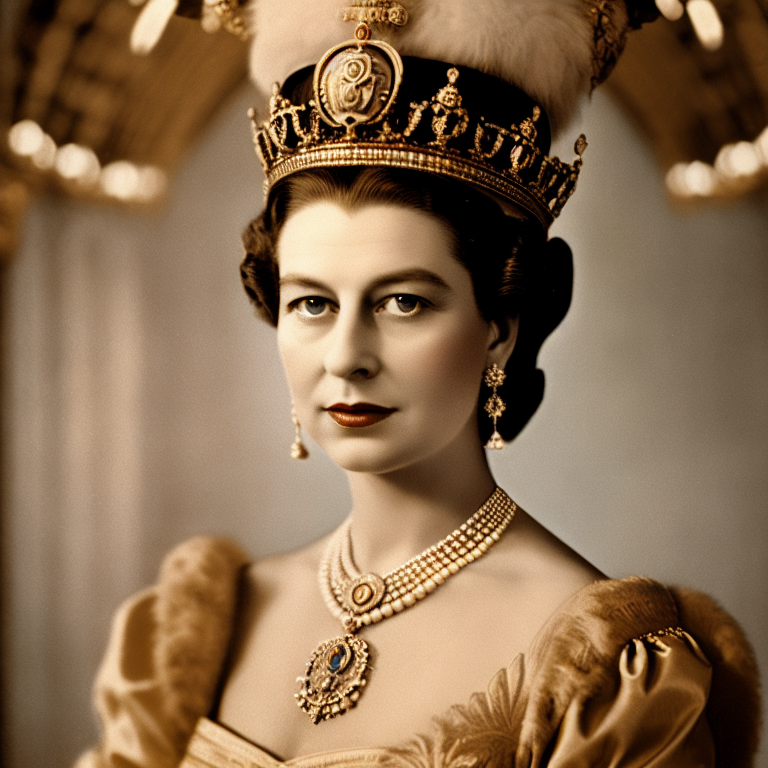
    If you love history, “The Crown” is more than just a TV show—it’s a time machine. This Netflix series takes you deep into the life of Queen Elizabeth II and the British royal family, blending real events with dramatic storytelling. It’s perfect for anyone who wants to understand the 20th century through the eyes of one of its most famous families.

    What makes “The Crown” stand out is how it balances entertainment with education. Each season covers a different decade, showing major world events like the Suez Crisis, the Cold War, and Princess Diana’s rise to fame. You get to see how these moments shaped not only the monarchy but also global politics. The attention to detail in costumes, sets, and dialogue makes you feel like you’re living through history.

    The show also gives you a rare look at the personal lives of the royals. You see Queen Elizabeth’s struggles with duty, family, and public expectations. Her relationships with Prime Ministers like Winston Churchill and Margaret Thatcher reveal the inner workings of British politics. This mix of public and private life makes the story both relatable and fascinating.

    One of the best things about “The Crown” is how it sparks curiosity. After watching an episode, you might find yourself researching the real events behind the drama. The show encourages viewers to dig deeper into history, making it a great starting point for anyone interested in the British monarchy or 20th-century world events.

    Whether you’re a history buff or just love a good story, “The Crown” offers something for everyone. Its blend of fact and fiction, combined with stunning visuals and powerful performances, makes it a must-watch. You’ll come away with a deeper understanding of history—and maybe even a new appreciation for the challenges of royal life.

  • How Reality TV Affects Contestants’ Mental Health: A Deep Dive

    How Reality TV Affects Contestants’ Mental Health: A Deep Dive

    Reality TV shows are everywhere these days. From dating competitions to survival challenges, millions of people tune in every week to watch real people in dramatic situations. But what happens to those contestants after the cameras stop rolling? The truth is, being on reality TV can have a big impact on mental health, both during filming and long after the show ends. In this article, we’ll explore how reality TV affects contestants’ mental health, what producers and networks are doing about it, and what viewers should know.

    #### The Pressure of Constant Filming

    One of the biggest stressors for reality TV contestants is the constant presence of cameras. Unlike scripted shows, reality TV often films 24/7, capturing every argument, tear, and triumph. This non-stop filming can make contestants feel like they’re always “on,” with no chance to relax or be themselves. The pressure to perform for the cameras can lead to anxiety, stress, and even panic attacks. Contestants may feel like they have to exaggerate their personalities or create drama just to stay interesting, which can be exhausting and emotionally draining.

    #### Isolation from the Outside World

    Many reality shows isolate contestants from friends, family, and the outside world. This isolation can be especially tough on mental health. Without regular contact with loved ones, contestants may feel lonely, homesick, or disconnected. Some shows even limit access to phones, the internet, or news, which can make contestants feel cut off from reality. This sense of isolation can lead to depression, mood swings, and a feeling of being trapped.

    #### Editing and Public Perception

    Reality TV is not always as “real” as it seems. Editors often piece together footage to create certain storylines or to make contestants look a certain way. This editing process can be frustrating and even harmful for contestants, especially if they feel misrepresented. When the show airs, contestants may face harsh criticism or bullying from viewers online. Negative public perception can lead to low self-esteem, anxiety, and even depression. Some contestants have spoken out about feeling “betrayed” by the editing process and the way they were portrayed.

    #### Post-Show Adjustment Challenges

    Life after reality TV can be just as challenging as being on the show. Contestants often struggle to adjust to normal life after weeks or months of constant attention and excitement. Some may experience a “come-down” after the adrenaline of filming wears off. Others may face difficulties with sudden fame, including invasive media attention or unrealistic expectations from fans. This adjustment period can lead to feelings of emptiness, confusion, or even identity crisis.

    #### Support Systems: What’s Being Done?

    In recent years, there has been growing awareness about the mental health risks for reality TV contestants. Some networks and production companies have started offering mental health support, such as therapy sessions, counseling, and post-show check-ins. For example, after several high-profile incidents, some shows now require contestants to undergo psychological evaluations before and after filming. While these steps are a positive move, not all shows have the same level of support, and many contestants still feel that more could be done.

    #### The Role of Viewers and Fans

    Viewers play a big role in how reality TV affects contestants’ mental health. Negative comments, online bullying, and harsh criticism can add to the stress and anxiety contestants already face. On the other hand, supportive fans can make a big difference. Many contestants have said that positive messages from viewers helped them through tough times. As viewers, it’s important to remember that reality TV stars are real people with real feelings, and to treat them with kindness and respect.

    #### Legal and Ethical Considerations

    There have been calls for better legal protections for reality TV contestants. Some advocates argue that contestants should have access to mental health resources, fair contracts, and protection from exploitation. There is also a push for more transparency about the editing process and the risks involved in participating in reality TV. While some progress has been made, there is still a long way to go to ensure the well-being of contestants.

    #### Real Stories: Contestants Speak Out

    Many former reality TV contestants have opened up about their mental health struggles. Some have shared stories of anxiety, depression, and even PTSD after their time on a show. Others have talked about the pressure to maintain a certain image or the difficulty of returning to normal life. These personal stories highlight the real impact that reality TV can have on mental health and the importance of providing proper support.

    #### Tips for Aspiring Contestants

    If you’re thinking about auditioning for a reality TV show, it’s important to be aware of the potential mental health risks. Here are a few tips:

    • Do your research: Learn about the show’s format, rules, and support systems.
    • Prepare for isolation: Mentally prepare yourself for time away from loved ones.
    • Set boundaries: Know your limits and don’t be afraid to speak up if you’re feeling overwhelmed.
    • Seek support: Reach out to friends, family, or a therapist if you’re struggling.

    #### The Future of Reality TV and Mental Health

    As awareness grows, there is hope that reality TV will become a safer and more supportive environment for contestants. Some experts suggest that shows could offer ongoing mental health resources, better editing transparency, and more realistic portrayals of contestants’ experiences. Viewers can also play a role by being mindful of the impact their words and actions have on reality TV stars.

    Frequently Asked Questions (FAQ)

    Q: Do reality TV contestants get mental health support during filming?
    A: Some shows offer mental health support, such as therapy or counseling, but the level of support varies by network and production company.

    Q: Can being on a reality show cause long-term mental health issues?
    A: Yes, some contestants have reported long-term effects like anxiety, depression, or PTSD after their time on a show.

    Q: How can viewers help protect the mental health of reality TV contestants?
    A: Viewers can help by being kind and respectful online, avoiding negative comments, and supporting contestants in positive ways.

    Q: Are there laws to protect reality TV contestants’ mental health?
    A: There are some legal protections, but many advocates believe more needs to be done to ensure the well-being of contestants.

    Q: What should I do if I’m struggling after being on a reality show?
    A: Reach out for help from friends, family, or a mental health professional. Many organizations also offer support for reality TV contestants.

    Q: How can I learn more about the mental health effects of reality TV?
    A: You can read articles, watch documentaries, or listen to podcasts featuring former contestants and mental health experts.

    Conclusion

    Reality TV can be exciting and entertaining, but it’s important to remember that it can also have a big impact on contestants’ mental health. From the pressure of constant filming to the challenges of post-show adjustment, being on a reality show is not always easy. While some progress has been made in offering support and protection for contestants, there is still more work to be done. As viewers, we can all play a part by being kind, respectful, and mindful of the real people behind the drama. By raising awareness and pushing for better practices, we can help make reality TV a safer and more positive experience for everyone involved.

  • The Best Reality Shows for Families to Watch Together

    The Best Reality Shows for Families to Watch Together

    Looking for something fun that the whole family can enjoy together? Reality TV shows have become a great way to bond with your kids while sharing laughs and exciting moments. The best part is that many reality shows are designed to be family-friendly while still being entertaining for adults.

    Reality TV offers something special – it’s unscripted, unpredictable, and often heartwarming. Families can cheer for contestants together, discuss challenges, and even learn new things. From cooking competitions to talent shows, there’s something for every age group.

    The key is finding shows that balance entertainment with appropriate content. You want programs that avoid excessive drama or mature themes while still keeping everyone engaged. Let’s explore some of the best reality shows that families can watch together without worrying about inappropriate content.

    Why Family Reality Shows Matter

    Family-friendly reality shows create shared experiences that bring everyone closer together. When you watch these programs as a family, you’re not just killing time – you’re building memories and starting conversations that can last long after the show ends.

    These shows often teach valuable lessons about teamwork, perseverance, and kindness. Kids see real people facing challenges and learn how to handle similar situations in their own lives. Plus, watching together gives parents a chance to discuss important topics in a natural, relaxed way.

    The shared experience of rooting for the same contestants or being amazed by the same talents creates a sense of unity. It’s quality time that doesn’t require any special planning or expensive activities – just a comfortable couch and maybe some snacks.

    Top Cooking Competition Shows for Families

    Cooking shows are perfect for family viewing because they combine entertainment with practical skills. Kids often get inspired to try cooking themselves after watching these programs, which can lead to fun family kitchen projects.

    “The Great British Baking Show” stands out as one of the most family-friendly options available. The contestants are supportive of each other rather than cutthroat, and the challenges are creative without being stressful. The beautiful British countryside setting and charming hosts make it pleasant for all ages.

    “Kids Baking Championship” takes the cooking competition concept and makes it even more relatable for younger viewers. Watching kids their own age create amazing desserts can be incredibly inspiring for children. The judges are encouraging rather than harsh, making it a positive viewing experience.

    “Chopped” offers fast-paced excitement with mystery ingredients that keep everyone guessing. While some challenges might be a bit advanced for younger kids to understand, the quick format and dramatic reveals hold attention spans well.

    Talent Competition Shows Everyone Loves

    Talent shows capture the magic of seeing ordinary people achieve extraordinary things. They’re perfect for family viewing because they inspire creativity and show that hard work pays off.

    “American Idol” has been a family favorite for years, showcasing singers of all ages and backgrounds. The journey from auditions to the finale creates emotional investment that the whole family can share. Seeing contestants overcome nerves and perform at their best is genuinely inspiring.

    “World of Dance” elevates the talent show format with incredible choreography and world-class dancers. The visual spectacle appeals to all ages, and the positive judging style keeps things encouraging rather than discouraging.

    “The Voice” adds a unique twist by focusing only on vocal talent during auditions, which levels the playing field and creates surprising moments. The mentorship aspect shows kids the value of guidance and support in pursuing their dreams.

    Educational Reality Shows That Entertain

    Some reality shows manage to be both entertaining and educational, making them perfect for family viewing. These programs sneak in learning while keeping everyone engaged with interesting stories and challenges.

    “Planet Earth” documentaries, while not traditional reality TV, offer stunning visuals and fascinating information about our world. Families can learn about different ecosystems, animal behaviors, and environmental issues together. The breathtaking cinematography makes even reluctant learners want to watch.

    “Lego Masters” combines creativity with engineering skills as contestants build amazing structures from simple blocks. Kids see how imagination and problem-solving work together, and the playful atmosphere keeps things light and fun.

    “Garage Squad” shows car restoration projects that teach practical skills and the value of hard work. While some technical details might go over younger heads, the before-and-after transformations are satisfying for all ages.

    Adventure and Competition Shows for Families

    Adventure-based reality shows add excitement and suspense that keeps families on the edge of their seats. These programs often feature physical challenges, strategic thinking, and beautiful locations.

    “The Amazing Race” sends teams around the world to complete challenges in different countries. Families learn about different cultures while watching contestants navigate language barriers and unfamiliar customs. The fast pace and variety of challenges keep things interesting.

    “Survivor” offers strategic gameplay that older kids and adults can appreciate together. While some seasons might have mature themes, many focus on teamwork and social dynamics that spark great family discussions about strategy and human behavior.

    “American Ninja Warrior” showcases incredible athletic feats that inspire viewers of all ages. The obstacle courses are visually impressive, and seeing ordinary people attempt extraordinary challenges is motivating for kids who might want to be more active.

    Home Improvement and DIY Shows

    Home renovation shows can be surprisingly engaging for families, especially those with kids interested in building or design. These programs show the transformation process from start to finish, teaching valuable lessons about planning and patience.

    “Fixer Upper” follows couples as they renovate homes, with charming hosts who explain the process clearly. The before-and-after reveals are satisfying, and the design choices often spark conversations about personal style and creativity.

    “Trading Spaces” brings back the classic room makeover format with modern updates. The budget constraints and time limits create interesting challenges that show how creativity can solve problems.

    “Property Brothers” combines house hunting with renovation, teaching families about real estate basics and design principles. The twin hosts have great chemistry that makes the show feel like hanging out with friends.

    Animal and Nature-Based Reality Shows

    Animal-focused reality shows appeal to viewers of all ages and often teach empathy and responsibility. These programs showcase the human-animal bond and the importance of caring for creatures great and small.

    “The Incredible Dr. Pol” follows a veterinarian in rural Michigan as he treats all kinds of animals. The cases are interesting without being too graphic, and the small-town setting feels wholesome and relatable.

    “Dr. Oakley, Yukon Vet” takes viewers to Alaska where a vet treats wildlife and domestic animals in extreme conditions. The beautiful northern scenery and unique animal cases make for fascinating viewing.

    “Secrets of the Zoo” goes behind the scenes at zoos to show how animals are cared for and conservation efforts work. Kids learn about different species while seeing the hard work that goes into animal care.

    How to Make Reality Show Viewing More Interactive

    Watching reality shows together is great, but making it interactive takes the experience to another level. Here are some ways to engage more deeply with the shows you watch as a family.

    Create prediction games where everyone guesses who will win challenges or what the final results will be. This adds an element of friendly competition to your viewing. You can keep score throughout a season to see who’s the best predictor.

    Discuss the strategies contestants use and whether you agree with their choices. This helps kids develop critical thinking skills while practicing respectful disagreement. Ask questions like “What would you have done differently?” to encourage creative thinking.

    Try recreating some of the challenges at home on a smaller scale. After watching a cooking show, have a family bake-off. Following a building competition, create your own Lego challenge. This extends the fun beyond just watching TV.

    Frequently Asked Questions About Family Reality Shows

    What age is appropriate for watching reality competition shows?
    Most family-friendly reality shows are suitable for ages 7 and up, though this varies by show and child. Cooking shows and talent competitions are generally appropriate for younger viewers, while strategic competition shows might be better for ages 10 and up. Always check content warnings and watch a few episodes yourself first to judge suitability.

    How can I find new family-friendly reality shows to watch?
    Streaming services often have dedicated family or kids sections where you can find reality shows. Check network websites for their family programming schedules. Parenting blogs and family entertainment websites regularly review new shows. You can also ask other parents for recommendations in online forums or social media groups.

    Are reality shows good for teaching kids about competition?
    Reality shows can teach healthy competition when approached correctly. Focus on shows that emphasize sportsmanship, teamwork, and personal growth rather than just winning. Discuss how contestants handle both success and failure, and point out examples of good and bad competitive behavior. This helps kids understand that competition can be fun and motivating when done respectfully.

    How much reality TV is too much for family viewing?
    Like any TV, moderation is key. Aim for 1-2 hours of family viewing time per day maximum, with plenty of other activities throughout the week. Use show time as an opportunity for family bonding rather than passive watching. Take breaks between seasons to explore other activities together, and be sure to balance screen time with physical activity and creative play.

    Can watching reality shows together improve family communication?
    Absolutely! Reality shows provide natural conversation starters about goals, challenges, and decision-making. They create opportunities to discuss values, ethics, and problem-solving strategies. The shared experience of watching together builds inside jokes and references that strengthen family bonds. Plus, seeing how people handle various situations can prompt discussions about how your own family would handle similar circumstances.

    Conclusion

    Finding the right reality shows for family viewing can transform your TV time into quality bonding moments. The best programs combine entertainment with positive messages, creating shared experiences that everyone can enjoy. Whether you’re watching talented singers, creative bakers, or adventurous competitors, these shows offer something for every family member.

    Remember that the goal is to find shows that bring you together rather than drive you apart. Look for programs with encouraging judges, supportive contestants, and themes that align with your family values. Don’t be afraid to try new shows and discover what works best for your unique family dynamic.

    The most important thing is that you’re spending time together, sharing laughs, and creating memories. So grab some snacks, find a comfortable spot on the couch, and enjoy discovering the wonderful world of family-friendly reality TV together.