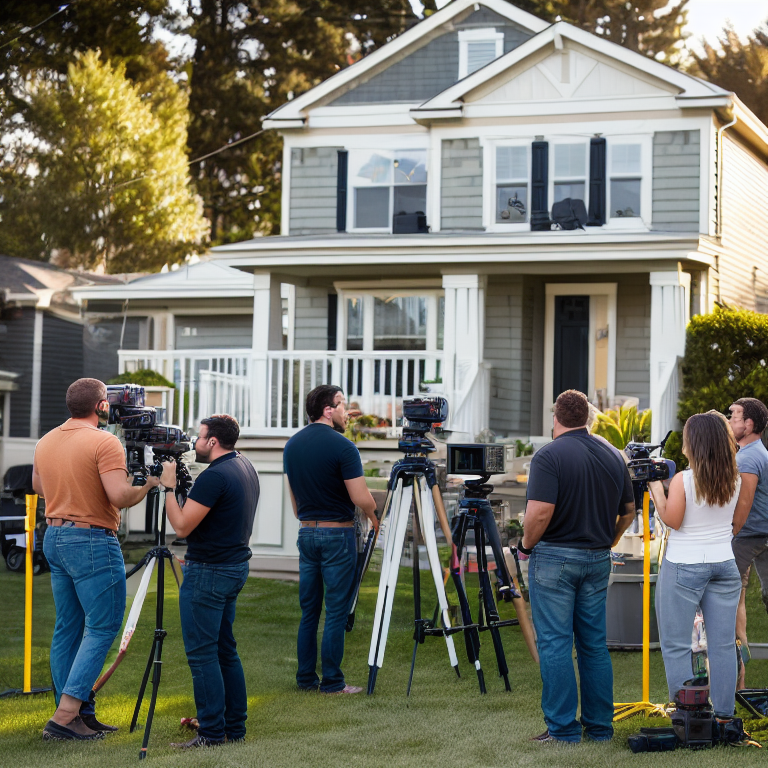
Reality TV drama doesn’t just happen in front of the camera. The real magic happens in the editing room, where raw footage transforms into compelling stories that keep millions of viewers hooked week after week. Understanding how editors craft these narratives reveals why some reality shows become cultural phenomena while others fade into obscurity.
The editing process for reality TV is far more complex than most people realize. Editors work with hundreds of hours of footage, piecing together conversations, reactions, and moments that may have happened days or weeks apart. They create storylines that feel natural and spontaneous, even though they’re carefully constructed from scattered moments captured over months of filming.
The Raw Material: What Editors Actually Work With
Reality TV editors start with an overwhelming amount of footage. A single episode might require sifting through 300-400 hours of raw video. This footage includes everything from planned activities and interviews to casual conversations and mundane moments that happen between the “big” scenes. The challenge isn’t finding content – it’s finding the right content that serves the story.
Editors often work with multiple camera angles, audio tracks, and time codes. They must sync audio from different sources, match lighting conditions, and ensure continuity even when scenes were shot hours or days apart. The raw material is chaotic, but skilled editors can see the potential stories hidden within the footage.
Creating Story Arcs from Chaos
The first major task for reality TV editors is identifying story arcs. They look for patterns in behavior, recurring conflicts, and character development that can be shaped into coherent narratives. This process requires both analytical thinking and creative storytelling skills.
Editors often create “string-outs” – rough assemblies of key moments that show the potential direction for an episode or season. These string-outs help producers and showrunners visualize how different storylines might develop. The editing team must balance multiple character arcs while maintaining viewer interest throughout each episode.
The Art of the Soundbite
Soundbites are the building blocks of reality TV storytelling. Editors search for moments where cast members say something particularly revealing, emotional, or controversial. These soundbites become the anchors around which scenes are built.
Finding the perfect soundbite requires watching hours of footage with a keen ear for authentic moments. Sometimes the most powerful soundbites are unexpected – a throwaway comment that reveals deeper tensions or a spontaneous reaction that captures a character’s true personality. Editors must also consider how soundbites will work together to create a cohesive narrative.
Music and Mood: Setting the Tone
Music plays a crucial role in reality TV editing. The right soundtrack can transform a mundane conversation into high drama or turn a tense confrontation into comedy. Editors work closely with music supervisors to select tracks that enhance the emotional impact of scenes.
The music editing process involves more than just picking popular songs. Editors must consider tempo, mood, and how the music interacts with dialogue and ambient sound. They often create custom music cues that match the pacing and emotional beats of specific scenes.
Timeline Manipulation: Making Time Work for the Story
One of the most controversial aspects of reality TV editing is timeline manipulation. Editors frequently rearrange events to create more compelling narratives. A conversation that happened on Tuesday might be edited to appear as if it happened immediately after an event from Monday.
This manipulation isn’t always deceptive – sometimes it’s necessary to maintain narrative coherence. However, it raises ethical questions about authenticity in reality television. Editors must balance storytelling needs with maintaining the integrity of what actually happened.
The Psychology of Editing Choices
Reality TV editors are essentially amateur psychologists. They must understand human behavior, group dynamics, and emotional triggers to create engaging content. Every editing choice – from which reaction shot to use to how to sequence conversations – influences how viewers perceive the cast members and their relationships.
Editors consider factors like dramatic irony, where viewers know something characters don’t, and foreshadowing, where early moments hint at future conflicts. These psychological techniques help maintain viewer engagement and create emotional investment in the storylines.
Technology and Tools of the Trade
Modern reality TV editing relies on sophisticated software and hardware. Editors use professional editing suites like Avid Media Composer or Adobe Premiere Pro, along with specialized tools for color correction, audio mixing, and visual effects.
The technology allows editors to work faster and more creatively than ever before. They can quickly search through hours of footage, create complex visual effects, and experiment with different editing approaches. However, the technology is only as good as the editor using it.
The Collaborative Process
Reality TV editing is rarely a solo endeavor. Editors work closely with producers, directors, and other post-production staff to shape the final product. This collaboration involves constant feedback, revisions, and creative discussions.
The editing team must also coordinate with legal departments to ensure that content meets broadcast standards and doesn’t expose the network to liability. This collaborative process can be challenging but often results in stronger, more polished episodes.
The Pressure of Deadlines
Reality TV operates on tight production schedules. Editors often work under intense pressure to deliver episodes on time while maintaining quality. This pressure can lead to long hours and stressful working conditions, but it also creates a sense of urgency that can spark creative solutions.
The deadline pressure also affects creative decisions. Sometimes editors must choose between their ideal creative vision and what’s practically achievable within the time constraints. This tension between creativity and practicality is a constant challenge in reality TV production.
Frequently Asked Questions (FAQ)
How much footage do reality TV editors typically work with?
Reality TV editors usually work with 300-400 hours of raw footage for a single one-hour episode. This footage includes multiple camera angles, audio tracks, and various takes of planned scenes. The vast amount of footage allows editors to find the best moments but also requires significant time to review and organize.
Do reality TV editors create fake drama?
Editors don’t typically create entirely fake drama, but they do manipulate footage to enhance existing tensions and conflicts. They might rearrange the timeline of events, emphasize certain reactions, or use music to heighten emotional impact. The goal is to tell compelling stories while staying true to the essence of what happened during filming.
How long does it take to edit a reality TV episode?
The editing process for a reality TV episode typically takes 2-3 weeks from start to finish. This includes reviewing footage, creating rough cuts, getting feedback from producers, making revisions, and finalizing the episode. However, some complex episodes or those with special effects may take longer.
What software do reality TV editors use?
Most reality TV editors use professional editing software like Avid Media Composer, Adobe Premiere Pro, or Final Cut Pro. These programs offer advanced features for organizing footage, creating complex edits, and working with multiple camera angles. Many editors also use specialized software for color correction, audio mixing, and visual effects.
How do editors maintain continuity when scenes are shot out of order?
Editors maintain continuity through careful organization and attention to detail. They use time codes, script notes, and production logs to track when scenes were actually shot. When necessary, they use techniques like cutaways, reaction shots, and careful audio editing to smooth over continuity issues. Sometimes they’ll add establishing shots or transitions to help viewers understand when time has passed.
Do reality TV stars know how much their footage is manipulated?
Most reality TV stars have some understanding that their footage will be edited and manipulated, but they may not realize the extent of it. Contracts often include clauses about creative editing, and many cast members have seen previous seasons of the show. However, seeing yourself portrayed in a certain way on television can still be surprising or upsetting, even when you know editing is involved.
Conclusion
The world of reality TV editing is a fascinating blend of art, psychology, and technical skill. Editors are the unsung heroes who transform raw, chaotic footage into the compelling narratives that captivate millions of viewers. Their work requires not just technical expertise but also a deep understanding of human behavior and storytelling principles.
As viewers become more sophisticated and demand more authenticity from their entertainment, the role of the reality TV editor continues to evolve. The best editors find ways to create engaging drama while maintaining the integrity of the real people and situations they’re documenting. It’s a challenging balance, but when done well, it creates the addictive television that keeps us coming back for more.
The next time you watch your favorite reality show, take a moment to appreciate the invisible artistry happening behind the scenes. Those perfect soundbites, seamless transitions, and emotional moments don’t happen by accident – they’re the result of countless hours of skilled editing work that shapes our perception of reality television.
Reality TV editing will continue to evolve as technology advances and audience expectations change. But one thing remains constant: the power of skilled editors to transform ordinary moments into extraordinary television. Their work reminds us that reality, like any good story, is often in the editing.